
We are exploring the diversity of microbes associated with solitary bee brood cells through high-throughput metagenomics in order to more fully characterize the diversity and potential roles of these microbial associates.
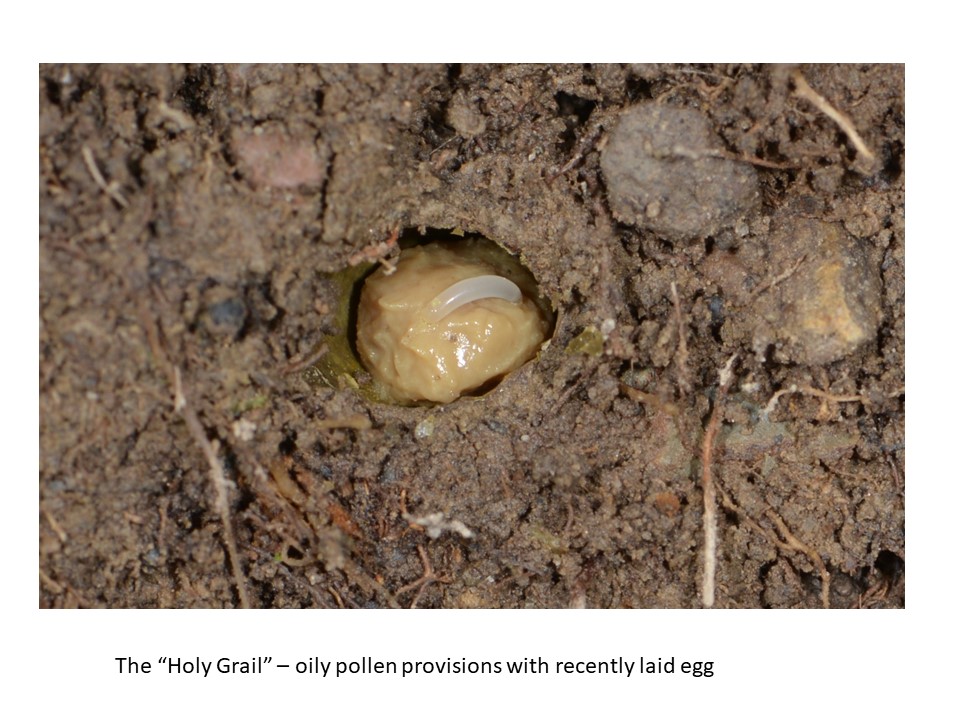
Bees and angiosperms are one of Earth’s most successful evolutionary and ecological partnerships. Bees gather, transport, and store floral products including pollen, nectar, and floral oils and, in the process, serve an essential role in plant reproduction: pollination. However, this bipartite relationship may involve a third hidden partner — microbes (primarily yeasts). Historical literature, more recent microbial metagenomic studies, and our own preliminary data suggest that bees rely heavily on microbes obtained from flowers for larval nutrition. The pollen/nectar provisions stored by solitary bees for larval development host a diverse microbial community rich in fermentative yeasts. Stable isotope analyses indicate that bees derive proteins and lipids from these microbial sources, meaning bees are omnivores not strict herbivores. Our project has the potential to transform the way we view the evolutionary and ecological relationships among bees, flowers, and microbes which could fundamentally rewrite the way we view pollination ecology.
Current Projects
Current research in this area, with funding from USDA and NSF, focuses on:
(1) Documenting the taxonomic and functional diversity of microbes associated with 16 focal bee species spanning six of the seven families and diverse life histories. We will use both metabarcoding and culture-based methods to characterize microbial communities in bee pollen provisions to determine what biotic and abiotic factors drive bee-flower-microbe associations.
(2) Determining the degree to which our focal bee species are nutritionally dependent on microbe-derived proteins and lipids using trophic biomarkers. We will use compound-specific isotopic analysis and neutral lipid fatty acids to characterize bee dependence on microbial sources.
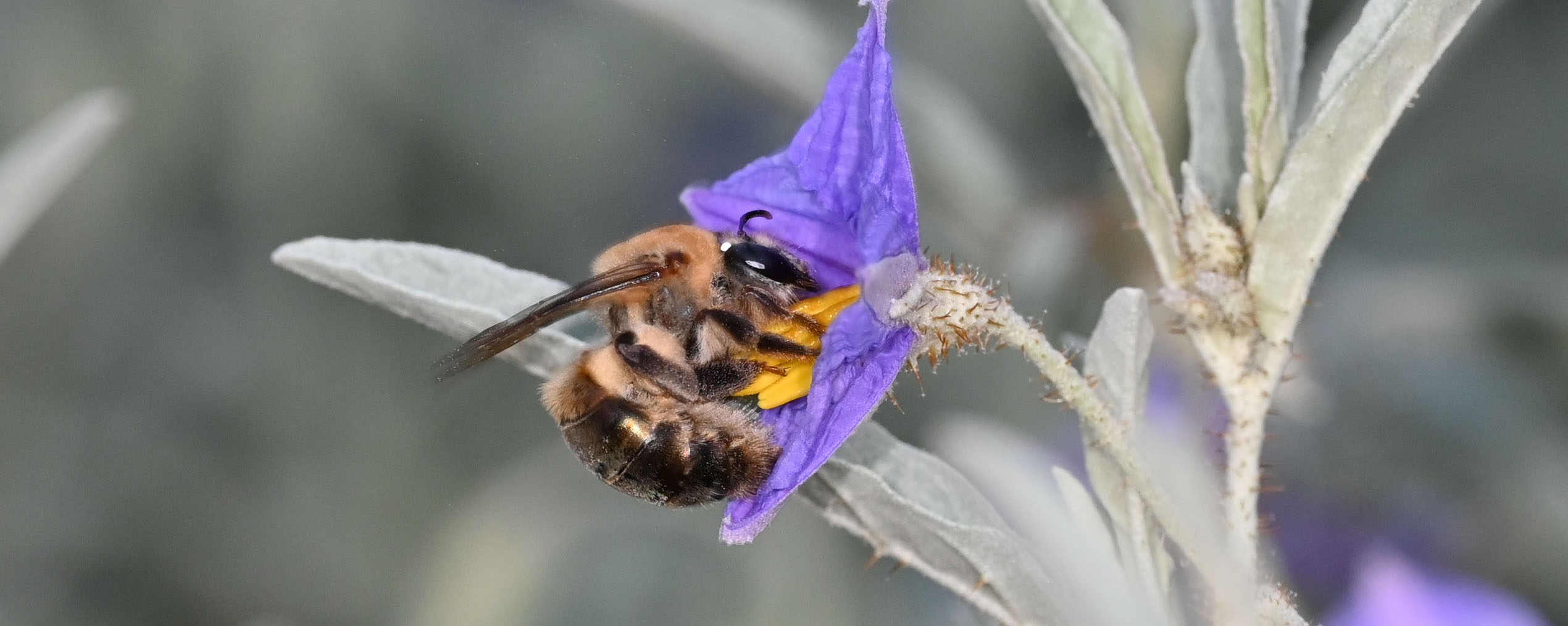
(3) Experimentally manipulating the microbial community of pollen provisions from two Osmia species to understand how perturbations in the microbial communities impact larval bee development. Mechanistic experiments will examine how fungal or bacterial communities influence provision quality, probe how microbial communities change as provisions age, and test mechanisms underlying microbial effects on provisions using competition assays and reverse genetic approaches.
Our research team includes collaborators from the University of Wisconsin, Madison (Shawn Steffan), the University of California, Davis (Rachel Vannette), and the University of California, Riverside (Quinn McFrederick).
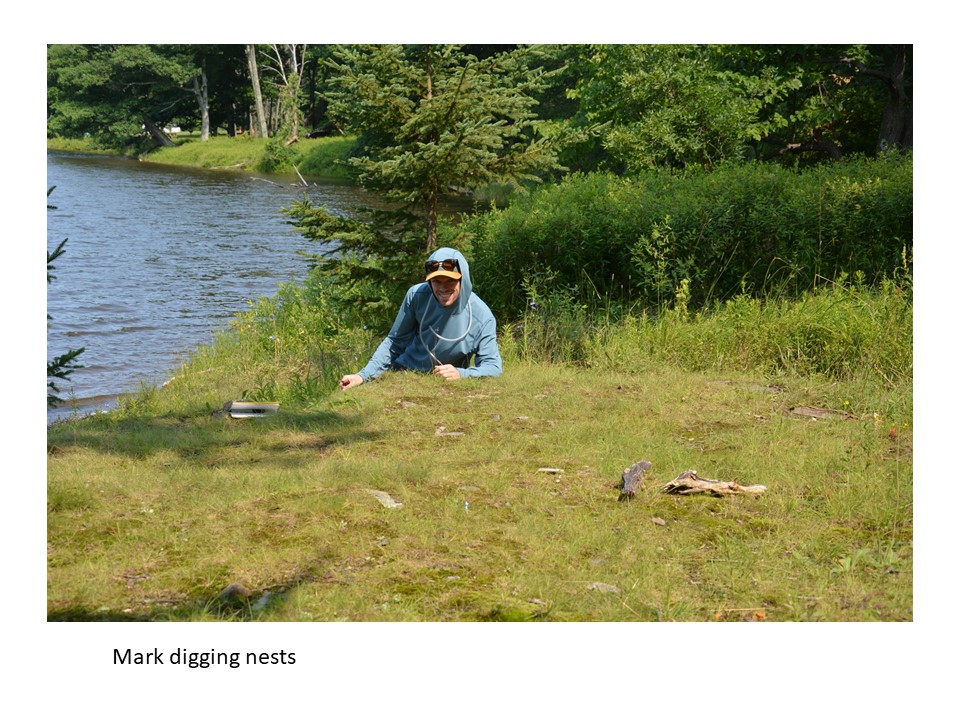
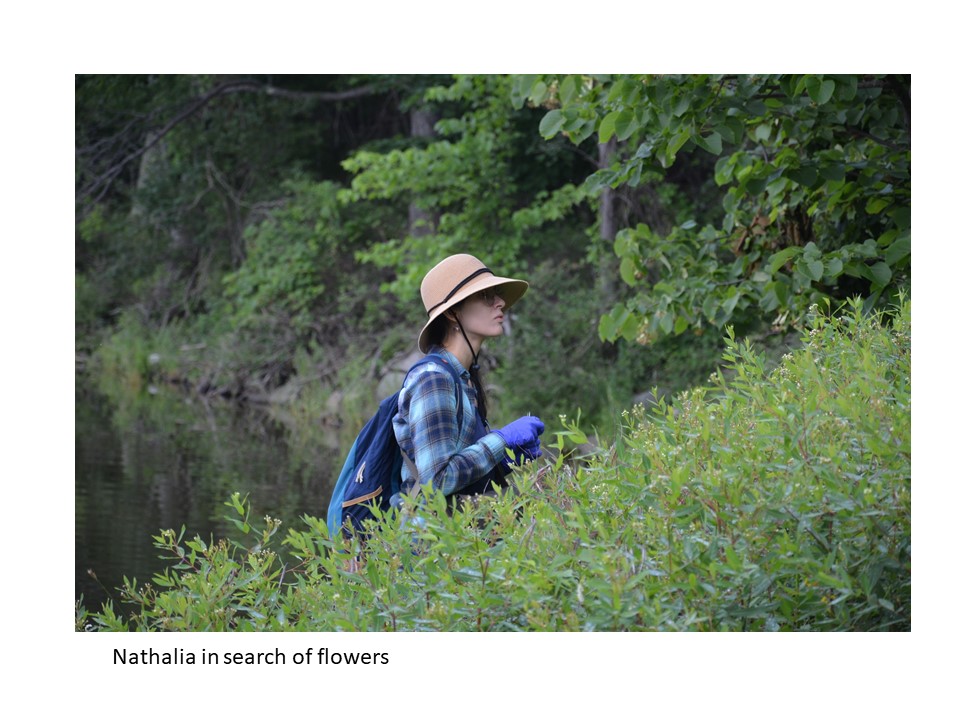
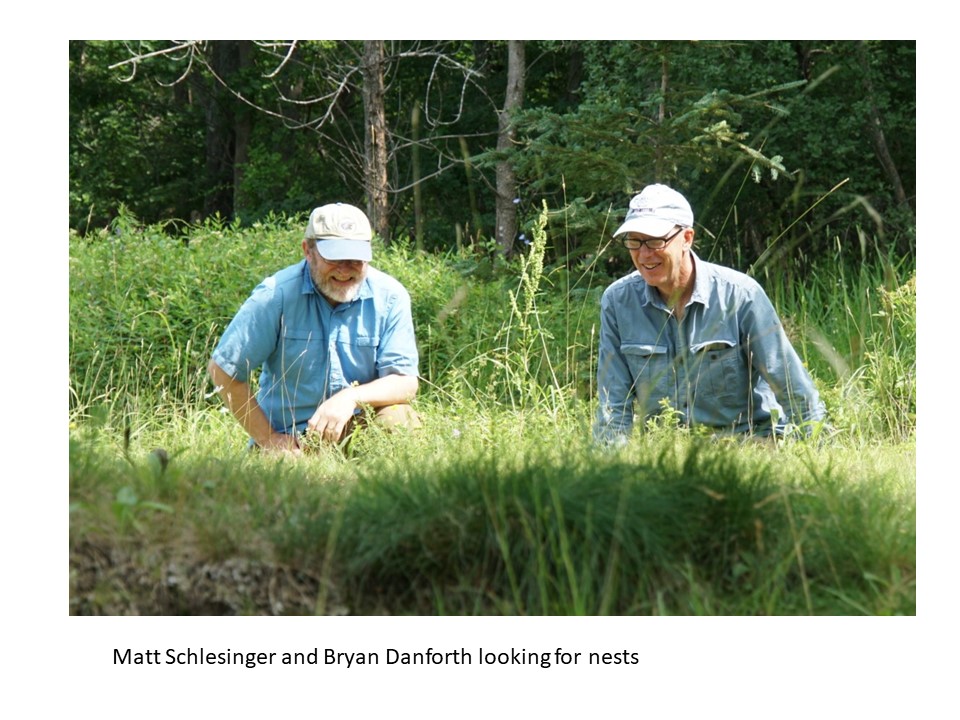
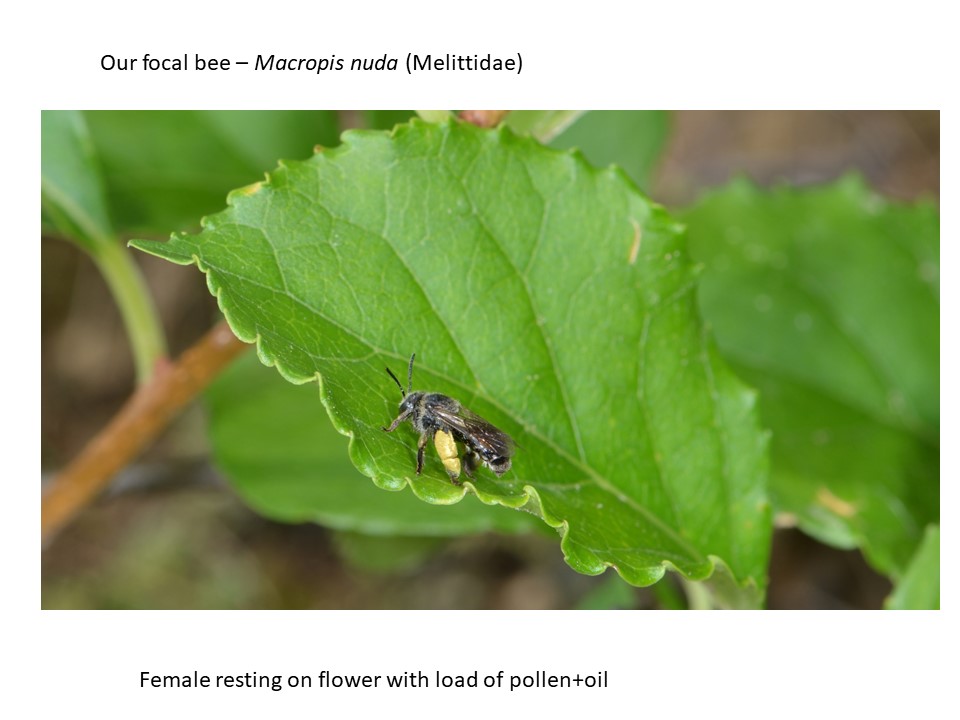
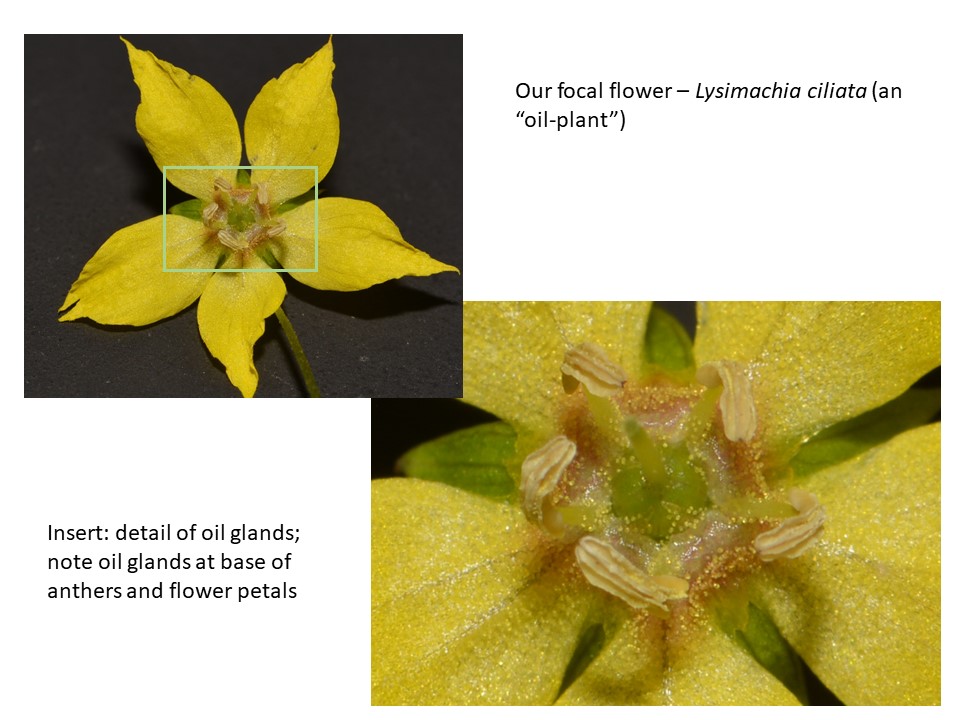
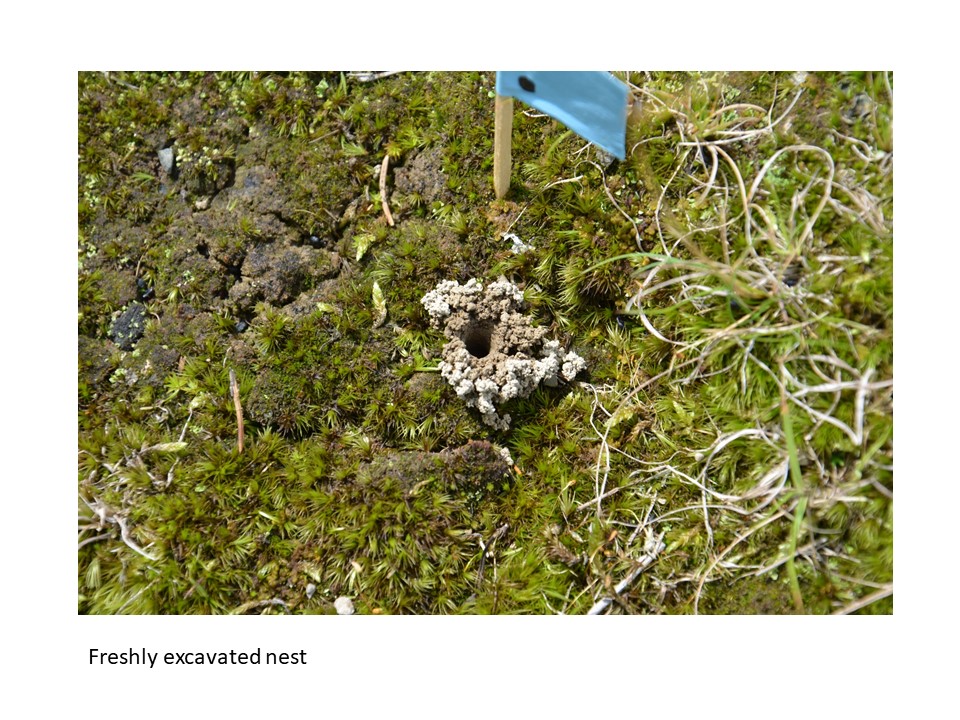
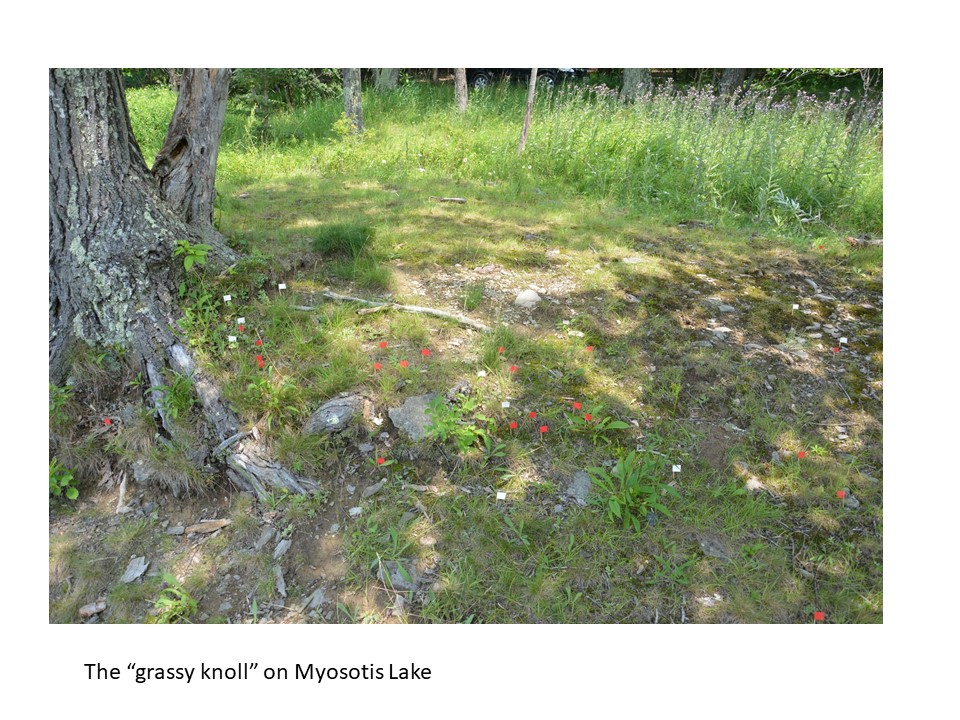
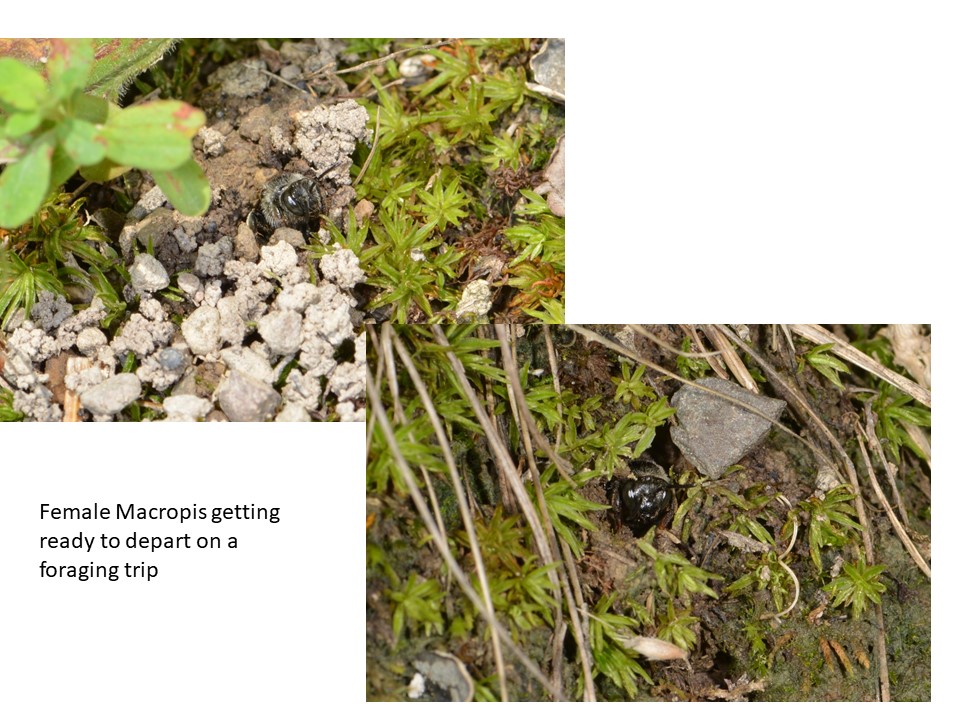
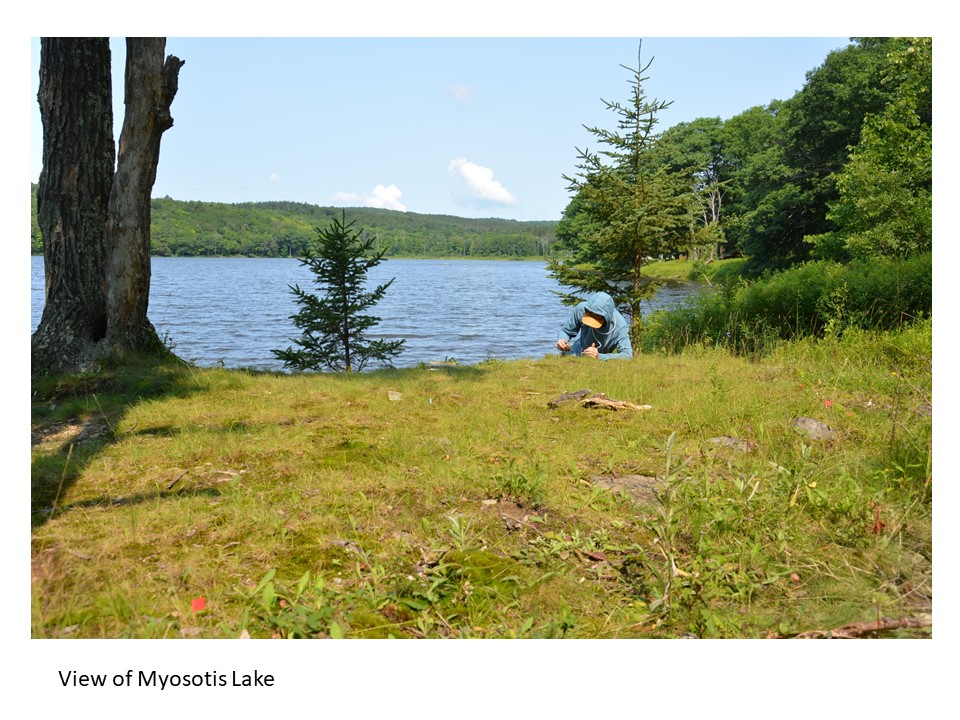
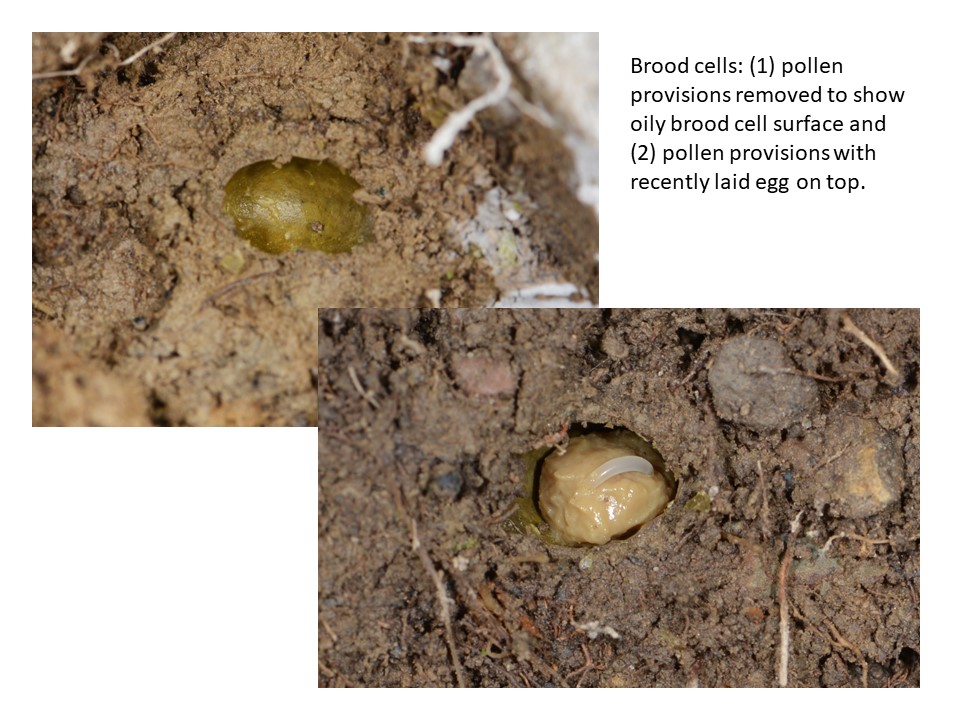
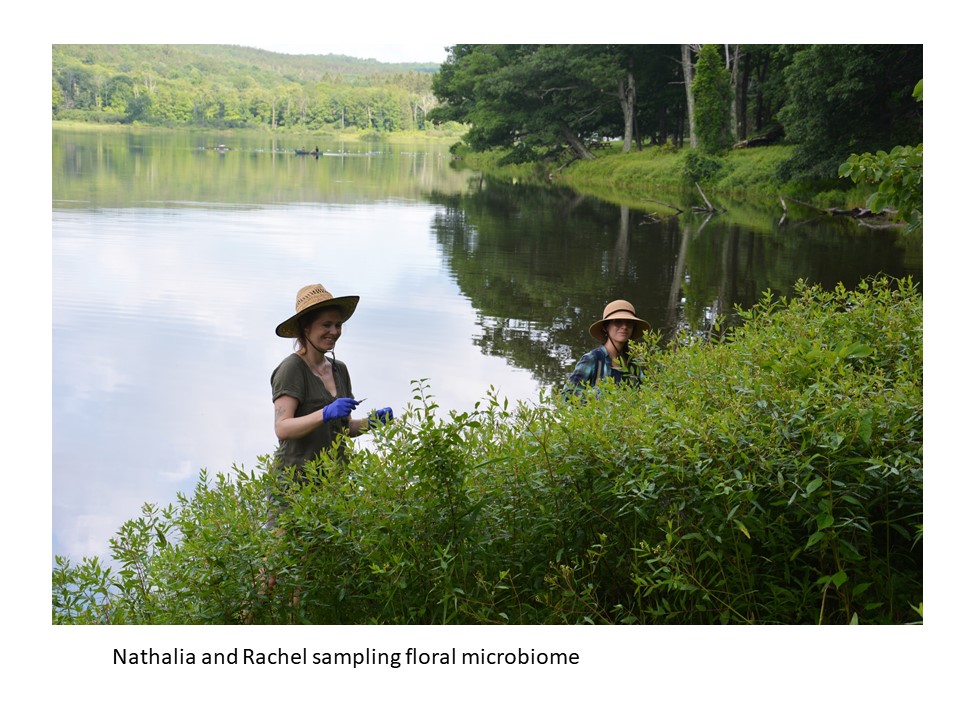
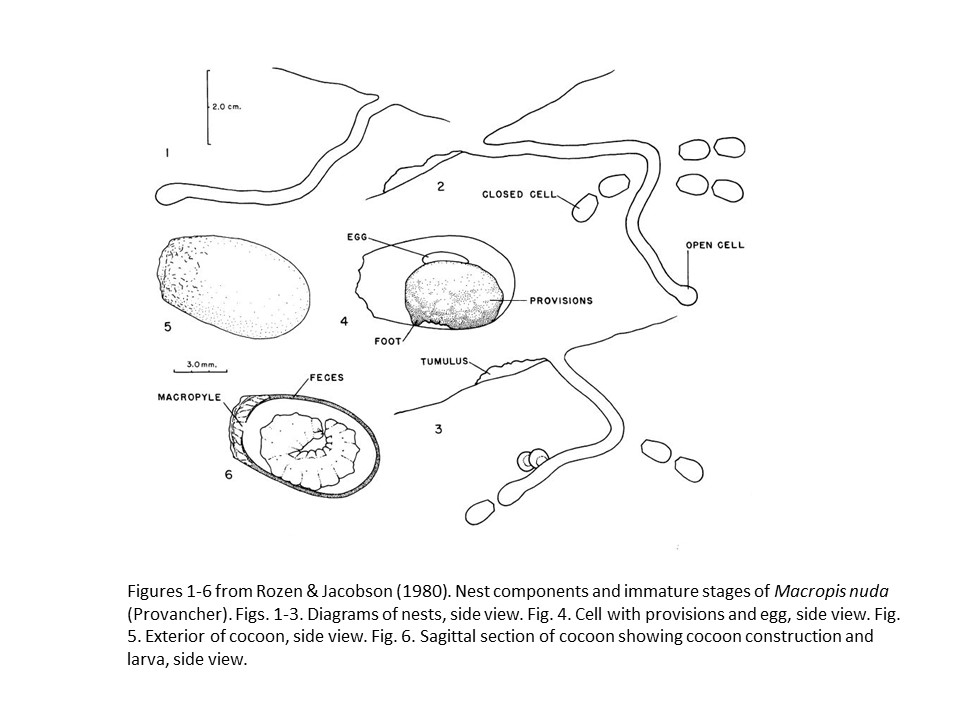
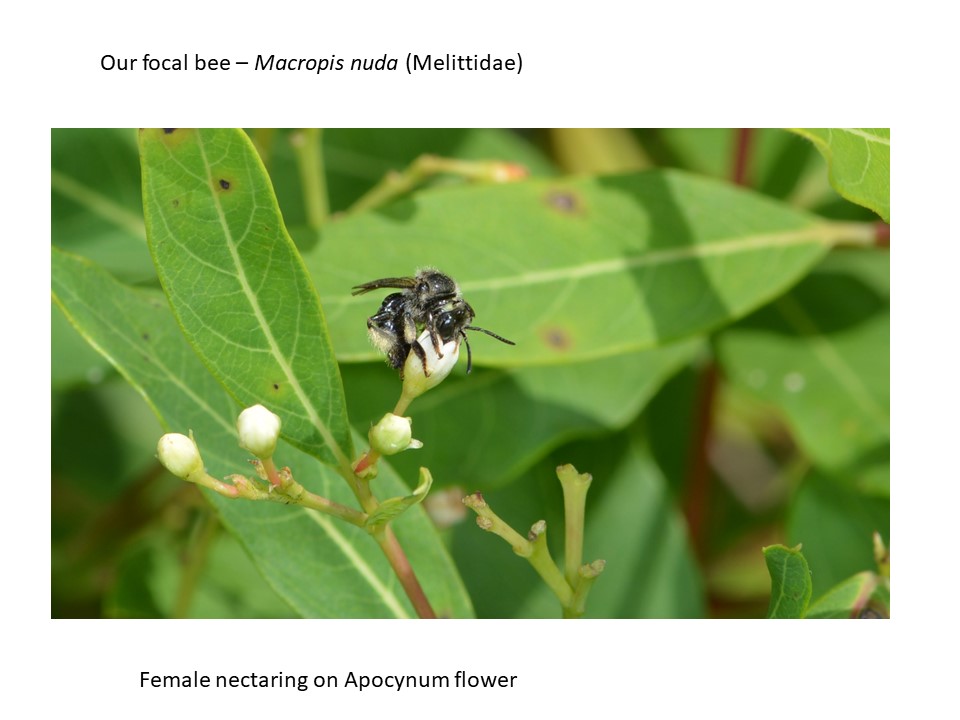
Slide show — Photos from our recent field project on Macropis nuda (Melittidae)
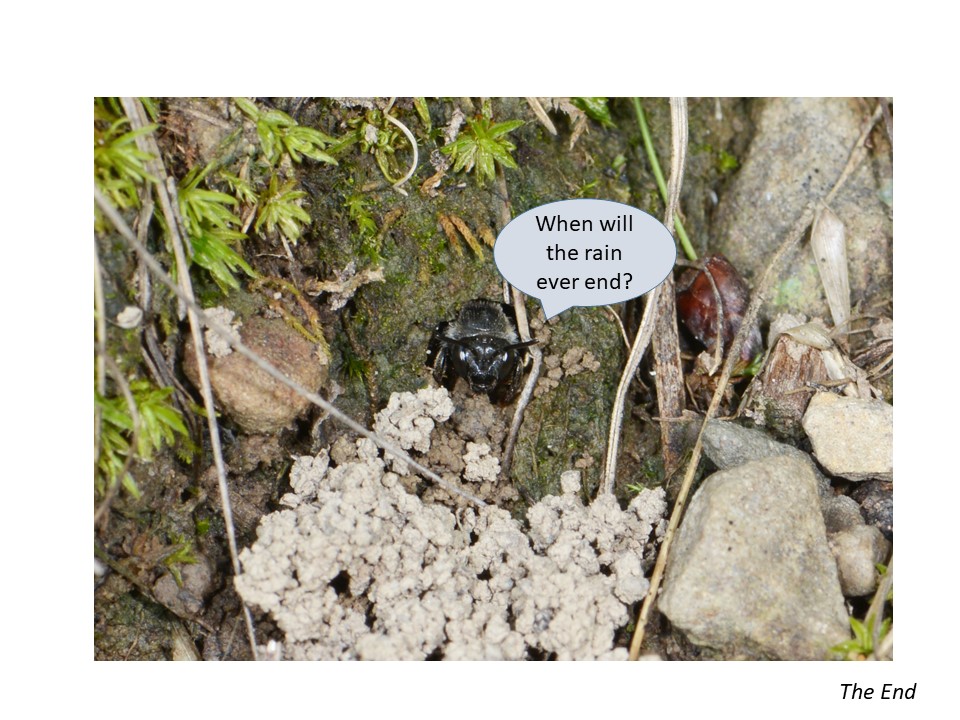
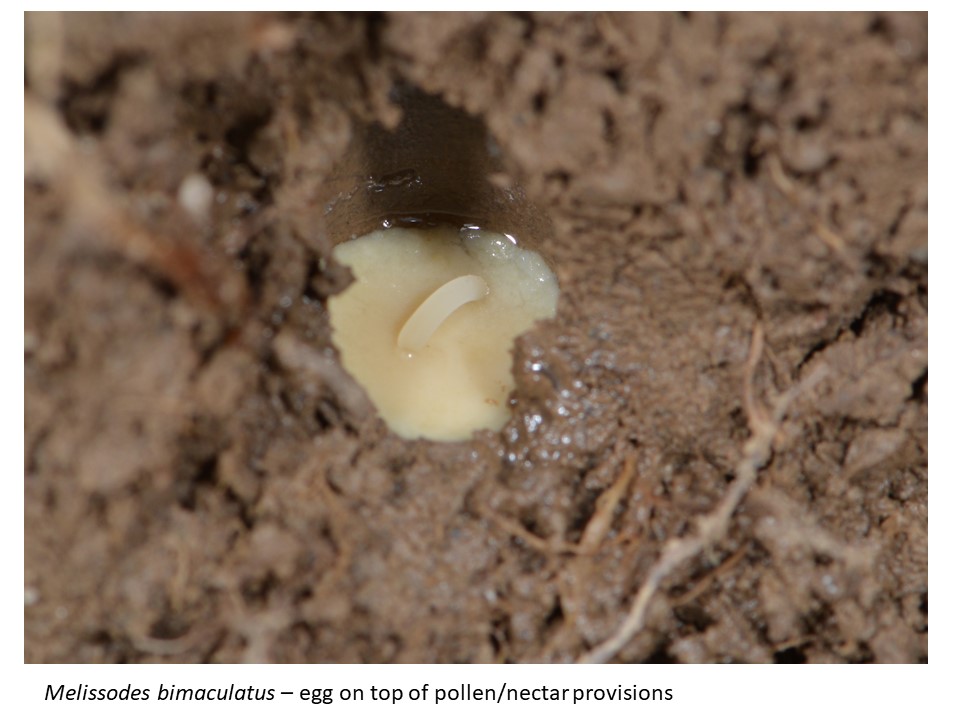
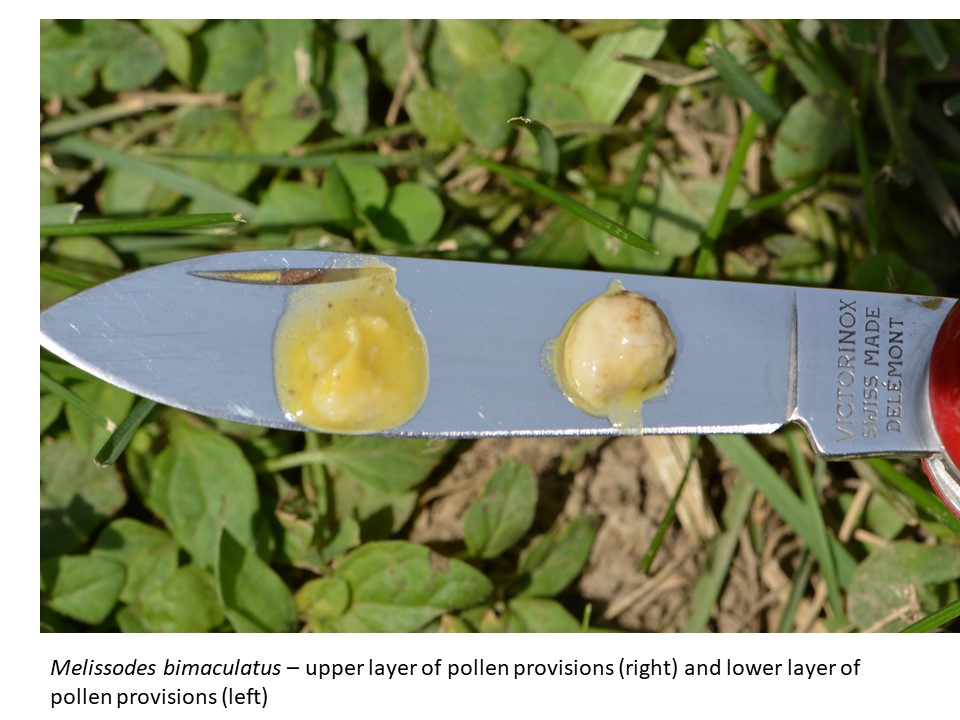
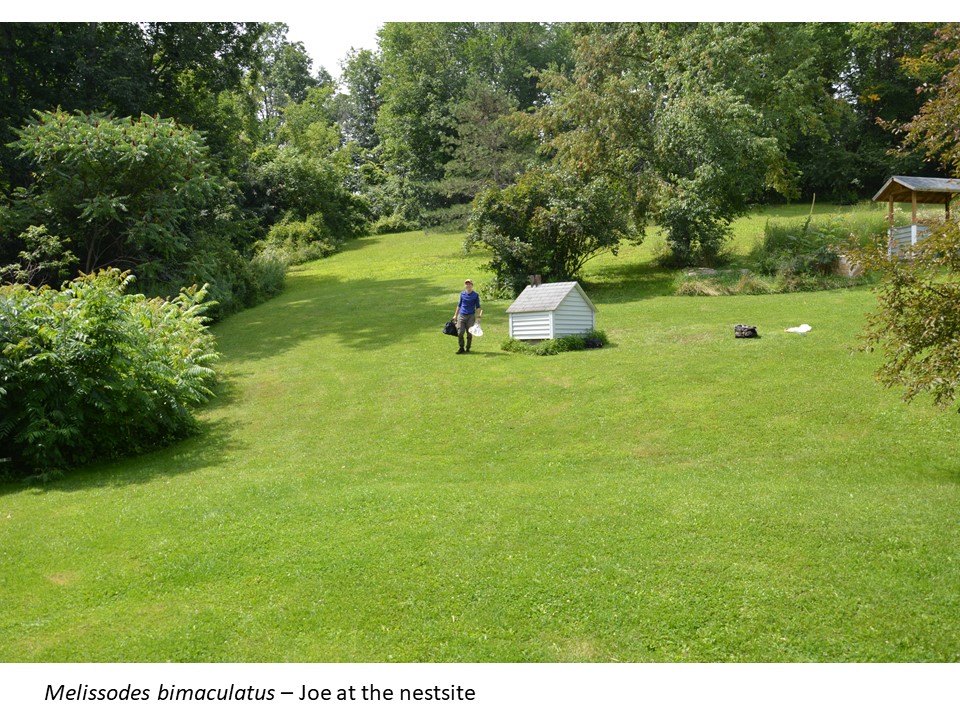
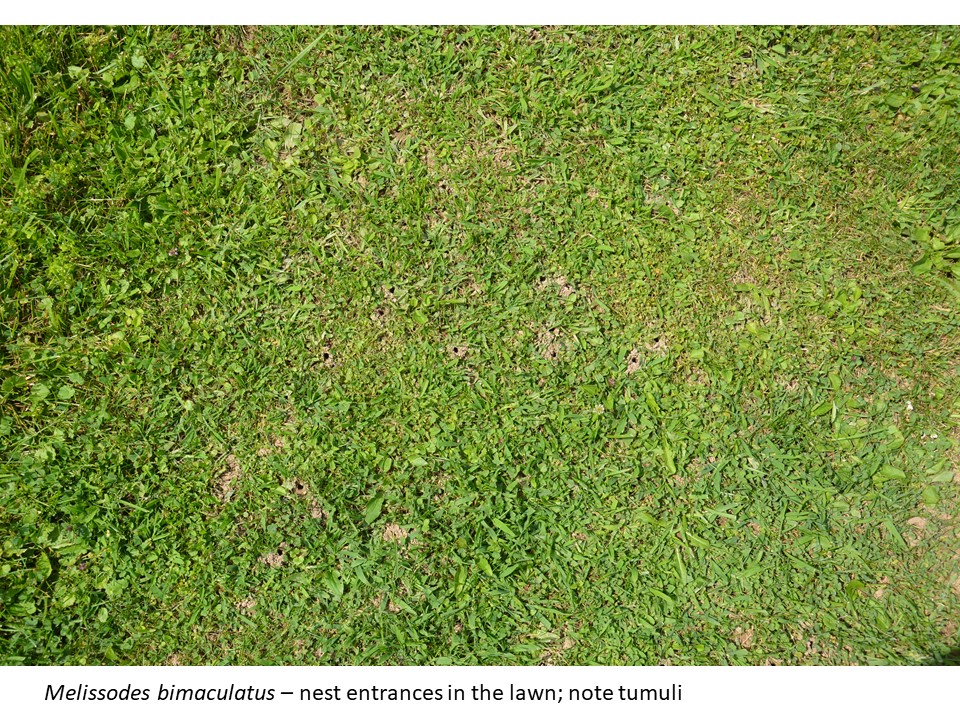
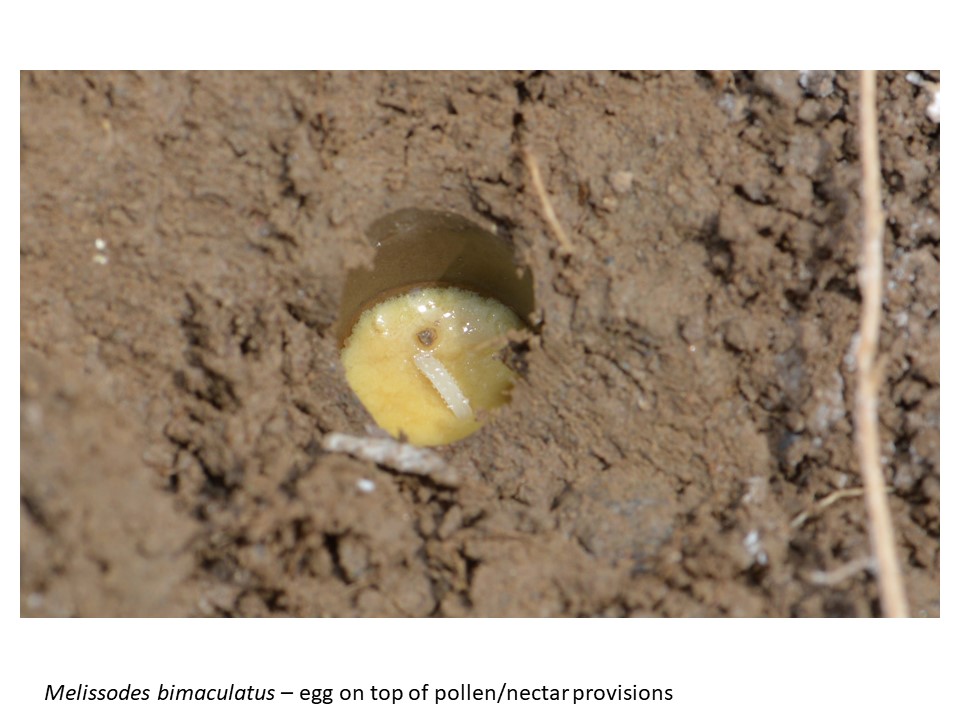
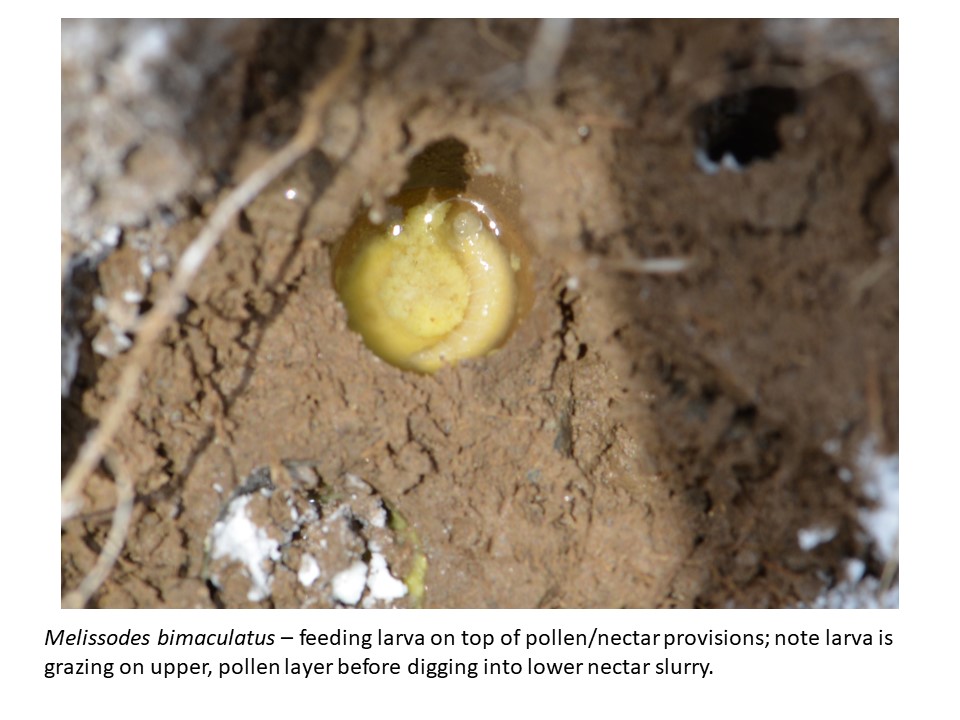
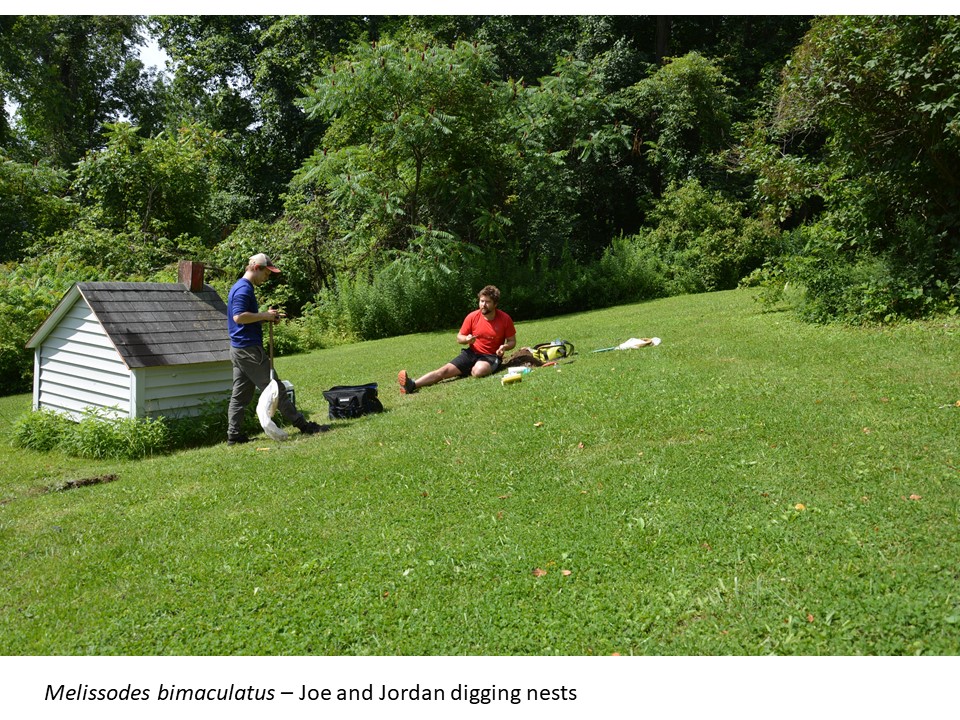
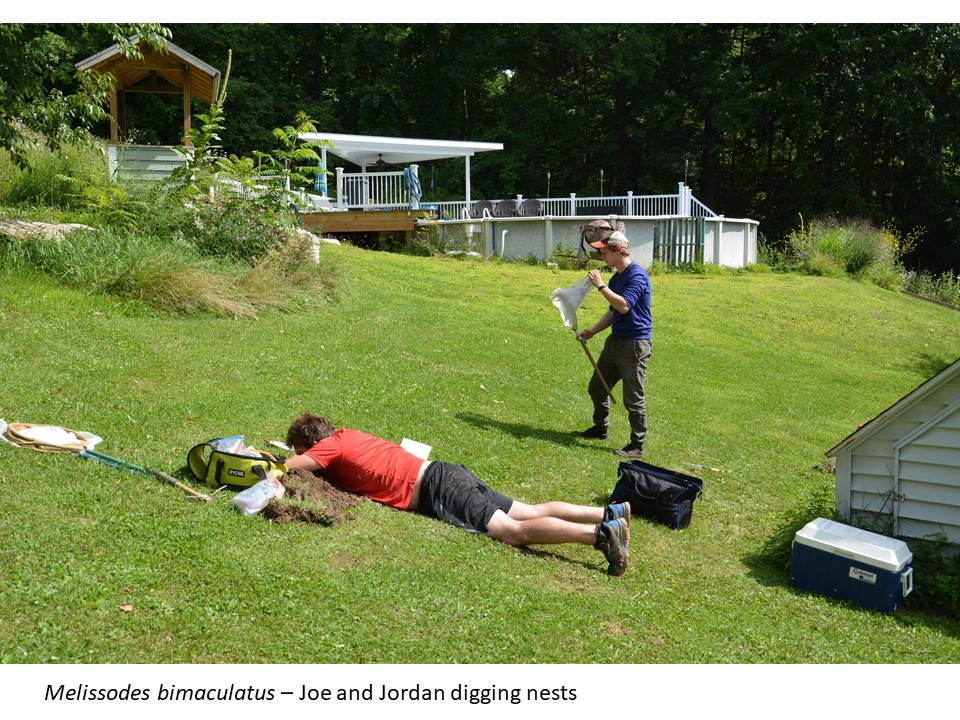
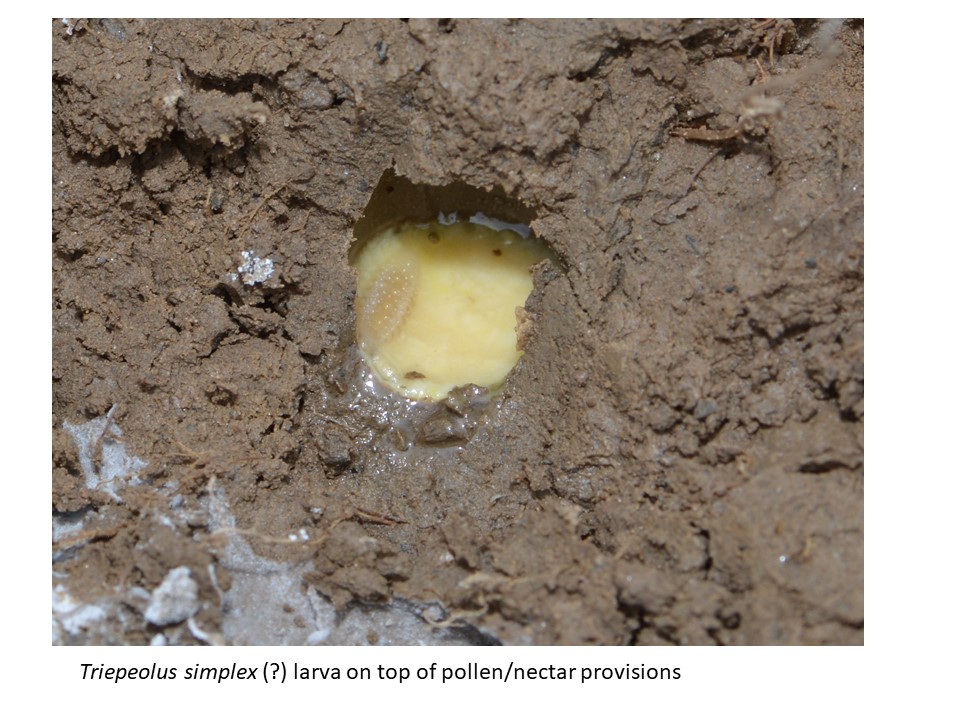
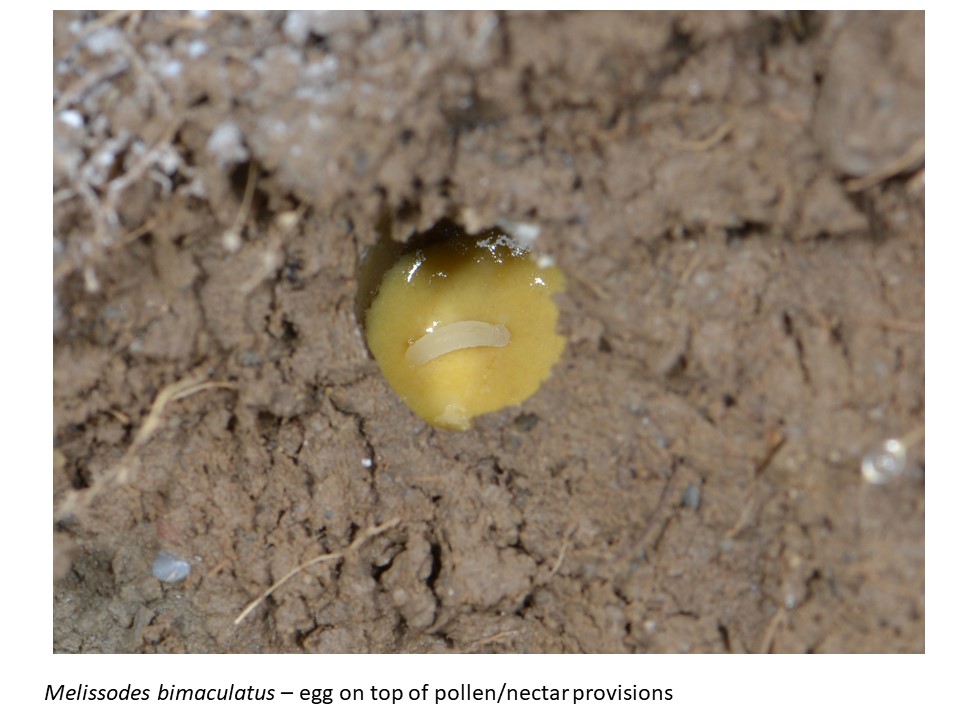
Slide show — Photos from our recent field project on Melissodes bimaculatus (Apidae)
Video — time lapse video of Melissodes druriella (Apidae) nest excavation